
Technology
Kentucky appeals judge denies NCAA bid to block 30 athletes from playing as hoops season draws near
By Katherine Langford
Advertisement · Why this ad?
Marcus manages the day-to-day editorial workflow across all brands, coordinating coverage assignments and ensuring editorial standards are met. He previously served as city editor at the Pioneer Press and holds a degree in Political Science from Carleton College.
More from Marcus →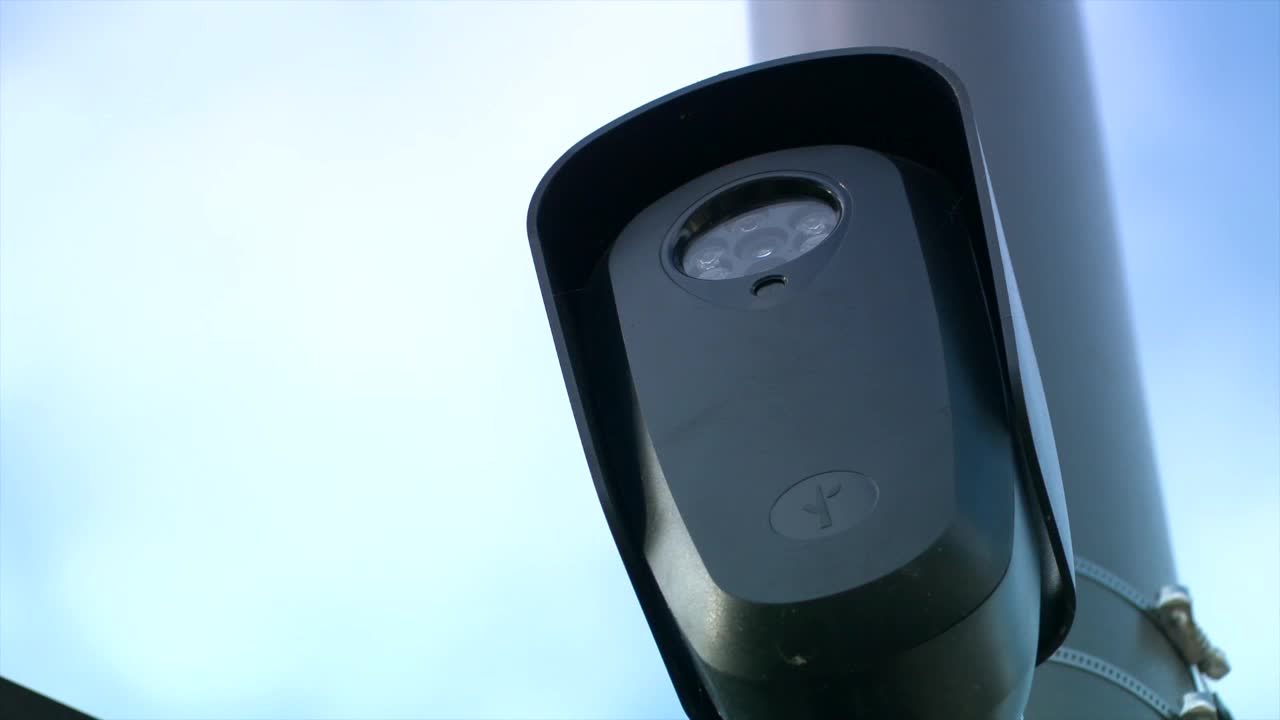
As the sun sets over Edina, a quiet neighborhood is disrupted by the whir of technology. A lone Flock camera, perched unobtrusively on a lamppost, silently captures the comings and goings of residents. For many, this surveillance represents a new layer of security; for others, it raises significant concerns about privacy and government oversight. The debate surrounding these automated license plate reader cameras is intensifying, particularly as some Minnesota police departments opt to withhold their locations, citing security risks.
In a recent investigation, it was revealed that numerous police departments across Minnesota have stopped publicly disclosing the locations of Flock cameras. According to state records, 61 cameras statewide are now listed as having their locations withheld. This change has sparked criticism from transparency advocates who argue that the public deserves to know where surveillance technology is deployed.
The Edina Police Department, which previously listed the locations of its 34 Flock cameras, removed this information in August, citing concerns over vandalism. A spokesperson stated that the decision was made to prevent further targeted damage to these expensive devices, which cost around $3,000 each. This rationale is echoed by other departments, including the Crow Wing County Sheriff’s Office, which has faced similar issues with camera vandalism.
Despite the stated concerns, critics like Anna Madision from the grassroots organization Eyes Off St. Paul argue that law enforcement is exploiting a loophole to hide camera locations. The Minnesota Bureau of Criminal Apprehension (BCA) requires agencies to report these locations, but allows for exceptions if disclosure poses a security risk. This has led to growing unease among community members who feel that transparency is being sacrificed in the name of security.
The backlash against Flock cameras is palpable, with residents voicing their concerns at city council meetings across Minnesota. Many fear that the increased surveillance could lead to a slippery slope of government overreach. Privacy advocates argue that without knowing where these cameras are located, residents cannot adequately protect their rights.
“It’s a serious breach in the trust that people put into law enforcement,” Madision said. “Especially when the public hasn’t necessarily consented to it being collected.” The sentiment is echoed by State Representative Brad Tabke, who has personal experience with the invasive nature of surveillance. He recounted how federal agents tracked his movements without his knowledge, leaving his family feeling threatened.
Residents like Edina local Sarah Thompson, a mother of two, express their discomfort with the cameras. “I want to feel safe in my neighborhood, but I also want to know that my movements aren’t being constantly monitored,” she said. Thompson represents a growing number of parents who worry about the implications of surveillance on their children’s privacy as well.
Community forums have become a space for these discussions, with many residents sharing personal anecdotes about feeling uneasy in their own neighborhoods. “It’s not just about crime; it’s about the kind of community we want to live in,” said Mark Johnson, a retired police officer and local resident who advocates for transparency in law enforcement practices.
Proponents of Flock cameras argue that they are invaluable tools for law enforcement, helping to solve crimes more efficiently. In Shakopee, for instance, police credited a Flock camera with aiding in the identification of a murder suspect. Sheriff Eric Klang of Crow Wing County also noted that one of their cameras recently assisted in identifying a suspect involved in a drive-by shooting.
“We’re not sitting around looking at these cameras and trying to see that you went to the store,” Klang stated. “We’re investigating crime.” However, this reassurance does little to quell the fears of those who worry about the potential for misuse of the data collected.
Lawmakers have attempted to address these concerns in the past, discussing changes to Minnesota’s license plate reader laws during the last legislative session. Unfortunately, no reforms were passed, leaving many advocates hopeful for a renewed focus on the issue in the upcoming session. The balance between public safety and accountability remains a contentious topic, with many calling for more oversight of how license plate data is used.
The implications of these surveillance practices extend beyond mere privacy concerns; they touch on the fabric of community trust. Residents who feel watched may alter their behavior, leading to a chilling effect on free expression and movement. This is particularly concerning for families and individuals who value their privacy and autonomy.
Moreover, the financial burden of replacing vandalized cameras falls on taxpayers, raising questions about the cost-effectiveness of the technology. Sheriff Klang highlighted this issue, stating, “The taxpayers are on the hook for that.” As communities grapple with the implications of surveillance technology, the question of who ultimately bears the cost becomes increasingly relevant.
As taxpayers foot the bill for these cameras, residents are increasingly asking for accountability from their local governments. The financial implications of maintaining and replacing vandalized cameras can strain municipal budgets, potentially diverting funds from essential services like education and community programs. “It’s crucial that we have a clear understanding of how much we’re spending on this technology and what we’re actually getting in return,” said local activist Jennifer Lee.
In response to community concerns, some local governments are beginning to explore alternative funding models for surveillance technology, which may include grants or partnerships with private entities. However, these solutions must be approached with caution to avoid further erosion of public trust.
Advocacy organizations like Minnesotans for Open Government are at the forefront of the push for transparency. Matt Ehling, a representative of the organization, emphasizes the need for law enforcement agencies to provide concrete evidence of security risks before withholding information. “They’ve got to have some kind of indication that it’s likely to happen to their cameras,” he explained.
This call for accountability resonates with many residents who feel that their rights are being overlooked in the name of safety. The movement for transparency is gaining momentum, with more citizens becoming aware of how surveillance technology impacts their daily lives.
As the debate over Flock cameras continues to unfold, the future of surveillance technology in Minnesota remains uncertain. With lawmakers poised to revisit the issue in the next legislative session, residents are encouraged to stay engaged and informed. The outcome of these discussions could shape the landscape of public safety and privacy rights for years to come.
For Edina residents and others across the state, the call for transparency and accountability is not just a matter of principle; it is about preserving the trust that underpins community relationships. As technology evolves, so too must the frameworks that govern its use, ensuring that public safety does not come at the expense of individual rights.
In conclusion, the ongoing dialogue surrounding Flock cameras highlights the delicate balance between security and privacy. As communities navigate this complex terrain, it is essential to advocate for policies that respect the rights of individuals while also addressing public safety needs. The future of surveillance in Minnesota will depend on the collective efforts of lawmakers, law enforcement, and engaged citizens.
By Katherine Langford

By Marcus Chen

By Marcus Chen
By Marcus Chen