
Health
Why We Give: American Cancer Society
By Marcus Chen
Advertisement · Why this ad?
Marcus manages the day-to-day editorial workflow across all brands, coordinating coverage assignments and ensuring editorial standards are met. He previously served as city editor at the Pioneer Press and holds a degree in Political Science from Carleton College.
More from Marcus →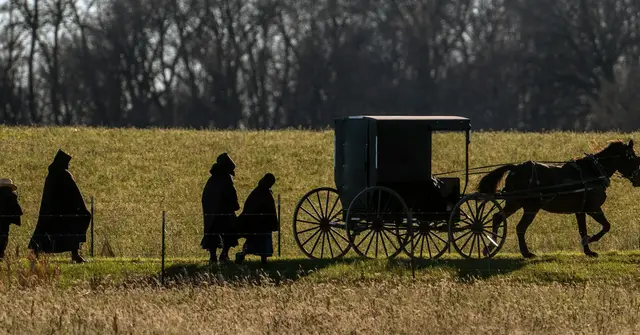
LONG PRAIRIE, Minn. — Talk to enough Amish residents in Todd County and you’ll hear a common refrain about the measles outbreak happening there.
“It’s just measles. Might as well get it over with,” said Emmanuel Schwartzentruber, who sells wooden chests and baskets from his farm west of Long Prairie, Minn.
Talk to the doctor treating the worst cases at Lakewood Health System’s hospital in nearby Staples and a much different perspective emerges.
“You usually think of measles with like fever and respiratory stuff, but these [patients] — there’s so much vomiting and diarrhea, and then the nausea and the mouth sores,” said Dr. Christine Albrecht, Lakewood’s chief medical officer. “They’re so sick when they come in. They’re just miserable.”
These diverging perspectives help explain how an infectious disease that had been declared eradicated in the U.S. in 2000 is gaining a foothold again, with 160 measles cases confirmed so far this year in Minnesota — the highest in almost three decades.
The total is driven by the Todd County cluster that has reached 136 cases, largely or entirely among Amish families that have rejected measles vaccinations on religious and cultural grounds.
Inside an Amish home in Long Prairie, Minn.
Richard Tsong-Taatarii/The Minnesota Star Tribune)
The absence of measles for decades has made some people less afraid of infection and more afraid of vaccination, especially since the pandemic, when doubt over COVID-19 vaccines spread to other immunizations with well-established safety records.
Among children born in Minnesota in 2023, only 81% have received the first dose of measles vaccine by age 2. In Todd County, that rate is 62%.
Stillwater, Minnesota
Health
Saturday, November 14, 2026
1 min
By Marcus Chen

By Marcus Chen

By Marcus Chen

By Katherine Langford